THE TITANIC
And Silent Cinema
Stephen BOTTOMORE
The Projection Box (2000)
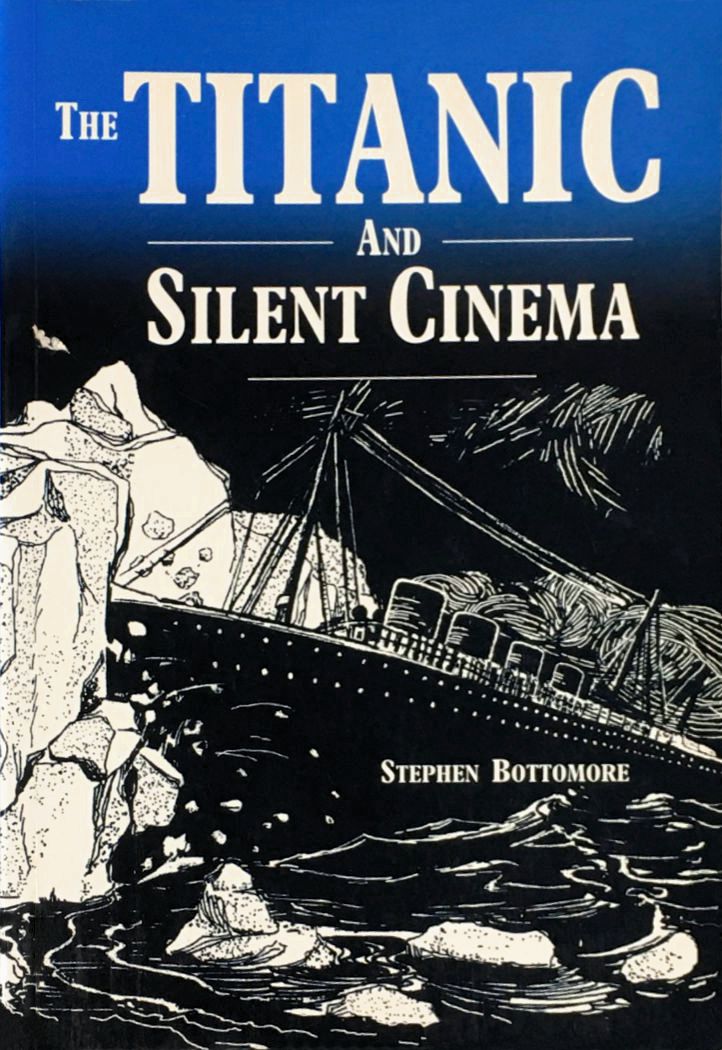
THE TITANICAnd Silent CinemaStephen BOTTOMOREThe Projection Box (2000) |
|
|
The Titanic has had a long relationship with the moving image.
When the great liner sank in April 1912 the cinema was a young but already thriving industry, so it is not surprising that this greatest of all maritime tragedies should find its way onto the world's screens.
Within days of the sinking, newsreels comprising actual film of the great ship and newly-shot footage of the aftermath were cobbled together, and even lantern slides were shown.
But so little genuine footage of the liner existed that several producers and exhibitors were tempted to release fakes, leading to vociferous complaints.
Several film people perished on the Titanic, including fewer than three camera men. One survivor of the wreck was popular film starlet Dorothy Gibson. Incredibly, within days of the landing she was in front of the cameras re-enacting the tragedy as film drama, the first of several silent film versions. Such was the extraordinary interest in the sinking that dozens of cinemas put on benefit shows with audiences singing hymns to the victims. Lavishly illustrated and based on extensive primary research by leading film historian Stephen Bottomore, the tells for the first time the full story of the Titanic and silent cinema - for media researchers, maritime historians, and Titanic enthusiasts. An Appendix on the Lusitania tragedy is included. |
 |
|